The Real Cost of Industrial Waste Management in Manufacturing Plants
- CBG Biotech
- Apr 21
- 4 min read

In most manufacturing plants, waste management is handled as part of routine operations—something that needs to be managed for safety and compliance. However, when you take a closer look, waste management is not just a support function. It has a direct impact on operating costs, process efficiency, and overall plant performance.
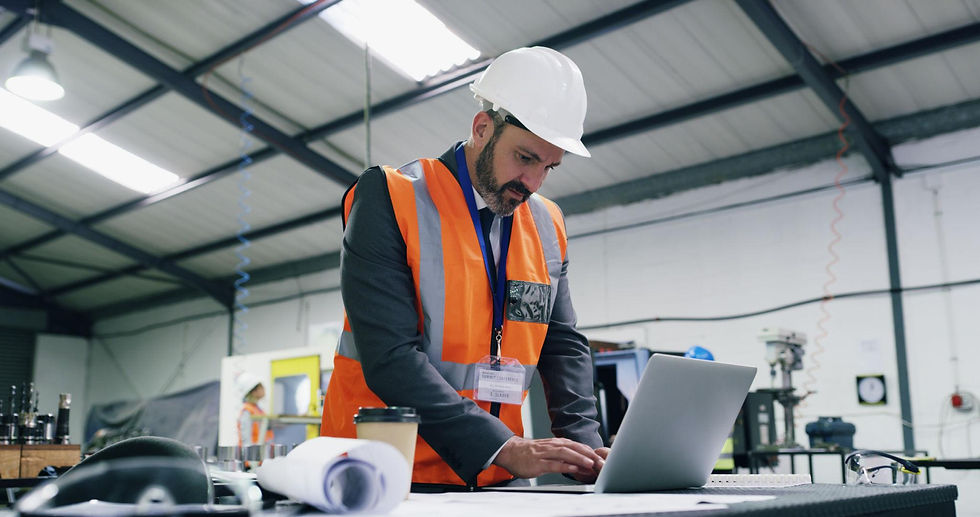
From my experience working with industrial facilities, the biggest challenge is not waste generation itself—it’s the lack of visibility into how waste affects different parts of the operation. Costs related to waste are rarely centralized. They are spread across procurement, storage, compliance, labor, and production inefficiencies.
Because of this, many plants underestimate how much waste management actually costs them over time.
Understanding Waste as an Operational Variable
Waste is often treated as an unavoidable byproduct. But in reality, it reflects how efficiently processes are being run.
Industrial waste management includes:
Collection at source
Segregation and handling
Storage and safety measures
Transportation and disposal
Documentation and compliance
Each of these steps requires resources—time, space, labor, and money.
Where the Costs Build Up
1. Disposal and Treatment
Disposal is usually the most visible cost. However, it is influenced by multiple factors:
Type of waste (hazardous vs non-hazardous)
Volume generated
Distance to treatment facility
Regulatory requirements
For solvent-heavy industries, disposal costs tend to be higher due to handling and treatment complexity.
2. Storage and Space Utilization
Before disposal, waste needs to be stored safely. This requires:
Dedicated storage areas
Fire-resistant containers
Ventilation systems
Spill containment
As waste volume increases, storage space becomes a constraint—especially in high-production environments.
3. Compliance and Administrative Effort
Waste management is closely tied to regulatory compliance. This includes:
Proper labeling and classification
Maintaining records and logs
Preparing for audits
Coordinating with disposal vendors
These tasks require time from EHS teams and supervisors, adding to operational overhead.
4. Impact on Production Efficiency
Waste generation often indicates inefficiencies such as:
Excess use of materials
Repeated cleaning cycles
Contamination issues
For example, when solvents become contaminated quickly, cleaning processes take longer and require more material—leading to both increased waste and reduced productivity.
5. Safety and Risk Management
Handling industrial waste involves safety considerations:
Fire hazards from flammable materials
Exposure risks for workers
Environmental risks
Managing these risks requires additional systems, training, and monitoring.
In many manufacturing environments, solvent waste forms a significant portion of total hazardous waste.
Solvents are widely used in:
Parts cleaning
Surface preparation
Maintenance processes
Coating and painting operations
When solvents are used inefficiently or disposed of after single use, both waste volume and costs increase significantly.
Moving Toward a More Efficient Approach
Many plants are now shifting from a disposal-focused approach to a more balanced strategy that includes:
Reducing waste at the source
Improving segregation practices
Recovering usable materials where possible
This is where solvent recovery systems play an important role.
Solutions from CBG Biotech allow plants to recover and reuse solvents for appropriate applications, reducing both disposal requirements and fresh solvent consumption.
Operational Benefits of a Structured Approach
Better Cost Control
When waste is monitored and reduced:
Disposal frequency decreases
Raw material usage improves
Cost predictability increases
Improved Workflow Efficiency
Less dependency on external vendors means:
Fewer scheduling delays
Smoother operations
Better process continuity
Enhanced Safety
Reducing waste volume leads to:
Lower storage requirements
Reduced handling risks
Improved workplace safety
Simplified Compliance
Lower waste generation means:
Easier tracking and documentation
Reduced audit complexity
When Should Plants Reevaluate Waste Management?
It’s worth reviewing your approach if you notice:
Gradual increase in waste volume
Rising disposal costs
Storage constraints
Higher compliance workload
Frequent operational disruptions
These are signs that waste is not just a byproduct—but a process indicator.
Industrial waste management is closely connected to how efficiently a plant operates. When waste is viewed as an operational variable rather than just an output, it becomes easier to identify areas for improvement.
By focusing on reduction, better handling, and material recovery, plants can improve cost control, enhance safety, and streamline operations—all without compromising productivity.
FAQs
1. What contributes most to industrial waste management costs?
Disposal fees are just one part. Storage, handling, compliance documentation, and labor all add up. Hazardous waste, especially solvent-based, increases cost due to strict regulations and treatment requirements.
2. Why does waste increase even when production stays the same?
Waste often rises due to small inefficiencies—overuse of materials, poor segregation, or repeated cleaning cycles. These changes are gradual and usually go unnoticed without proper tracking.
3. How does solvent waste impact plant operations?
High solvent waste increases disposal costs and reduces cleaning efficiency. Contaminated solvent may require more cycles, leading to higher material use and slower operations.
4. Can waste be reduced without affecting production?
Yes. Optimizing material usage, standardizing processes, and improving segregation can reduce waste without impacting output. In many cases, it improves efficiency.
5. What is the role of solvent recovery in waste management?
Solvent recovery allows used solvent to be cleaned and reused. Systems from CBG Biotech help reduce waste volume and lower fresh solvent consumption.
6. Why is waste segregation important?
Separating waste streams makes handling easier and reduces disposal costs. It also enables recovery of reusable materials like solvents.
7. Does waste management affect safety?
Yes. Lower waste volume reduces fire risk, exposure, and handling complexity, making the work environment safer.
8. How can plants monitor waste effectively?
Tracking waste by process or department and comparing it with production helps identify inefficiencies and control waste generation.
9. When should a plant review its waste strategy?
When disposal costs increase, waste volume rises, or storage space becomes limited, it’s time to reassess processes.
10. How does better waste management improve efficiency?It reduces delays, minimizes material loss, and improves workflow consistency, leading to smoother operations overall.


Comments